

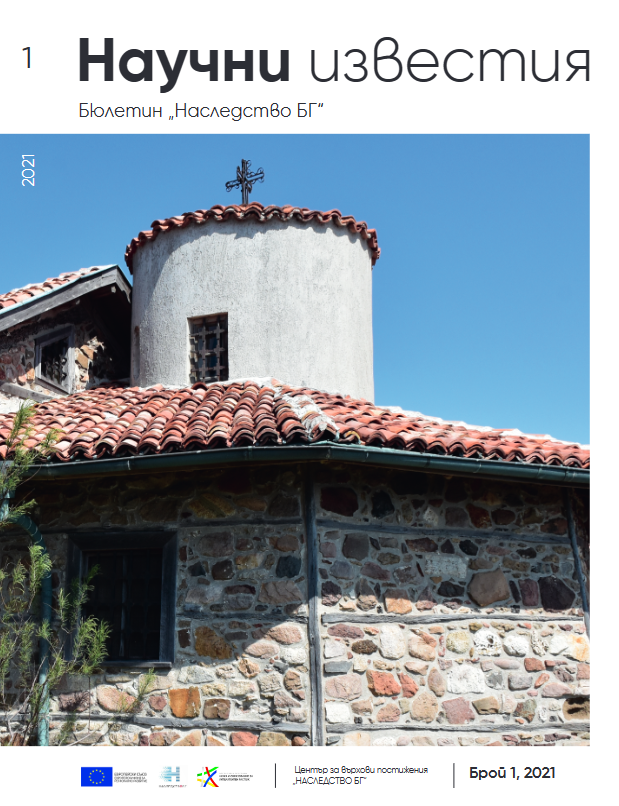
St. Anastasia is the only island with a survived monastery on the contemporary Black see border of Bulgaria. Art works preserved there and the epigraphic data are an important source for the history of the sea-side abbey, which are not yet properly studied. In this essay are presented some Greek epigraphs that were previously interpreted wrongly in scholarship. Among them is the earliest survived inscription already published by Ivan Karayotov but reading the date as 1772. The new reading of the year in this contribution shows that the Greek text is evidencing for a renewal works in the monastery took place two centuries earlier or in 1574. This is absolutely new element in the history of the monastic church and its frescoes. In this essay for the first time a description of the survived fragments is offered, which does not claim for totality, but could serve for future research. The new reading of the inscription allows to make an assumption that the murals appeared after 1574 when the said renewal happened. And as terminus antequem authors accept Kazak invasions in South Black Sea coast, that affected St Anastasia’ island as well in 1611, 1613 and
1615. In this text an analysis is made and is offered new reading of some later epigraphs from the bema table, the altar screen and the bishops throne of the catholicon. Their adequate reading rejects categorically many of already created legends about the island, which became a popular touristic destination that attracts thousands of visitors lately. The results of this survey are an important argumentation against pseudohistory that was invented last years, which along with the commercial purpose of the island today, i.e. to be a place used for culinary tourism with a hotel accommodation, created a cultural and historical homunculus, which don’t attract educated visitors, but offers instead one false and self-reproductive paraheritage.


